

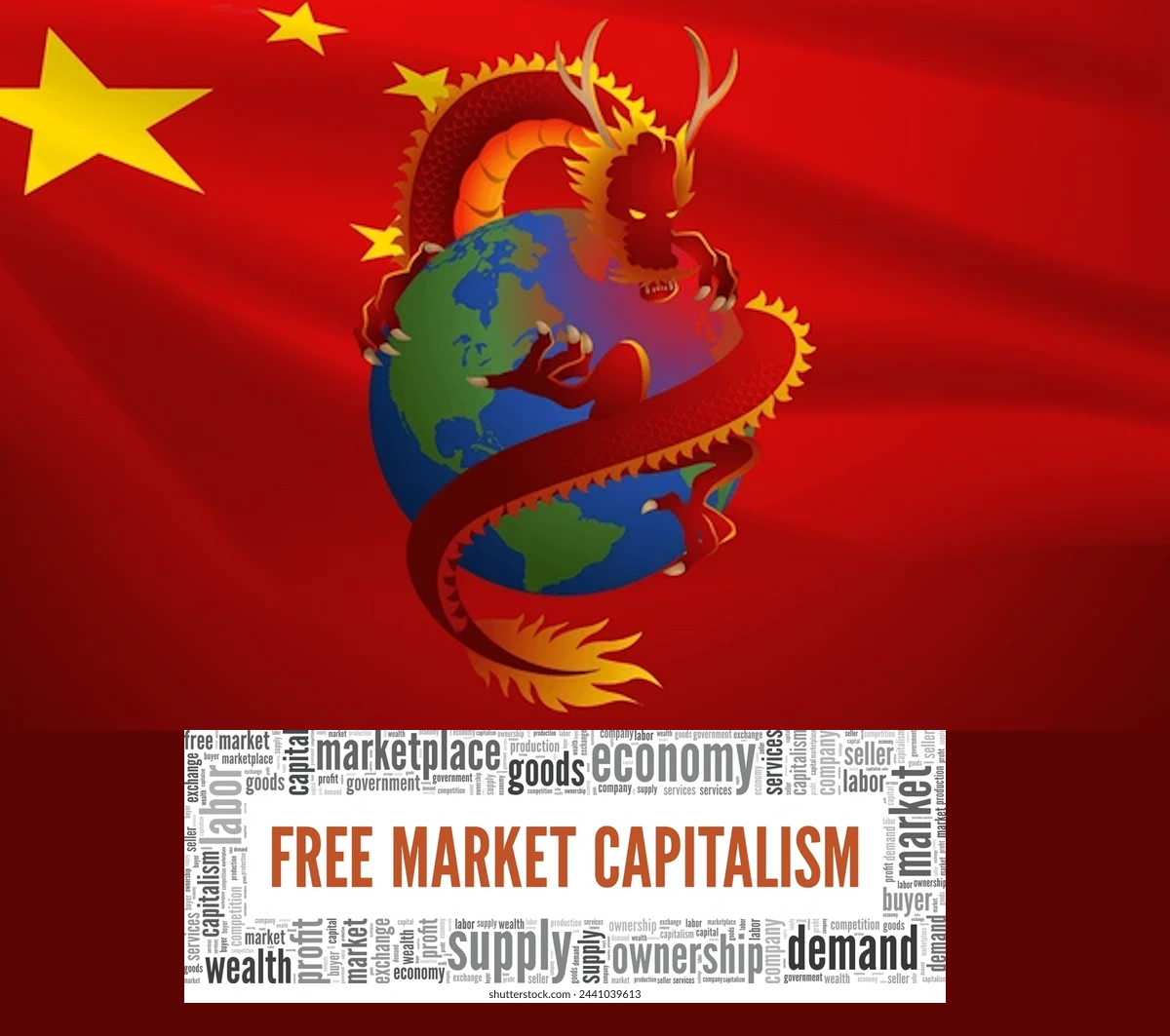
Donald Trump’s latest visit to Beijing was framed by both Washington and Beijing as a high-stakes diplomatic and economic engagement, but the symbolism of the trip may ultimately matter more than any single trade announcement. Standing alongside Donald Trump and Chinese leader Xi Jinping, the world once again witnessed two rival powers trying to define the future of global influence — not only through military strength, but through economics, diplomacy, and control of international institutions.
Trump’s political brand has long revolved around confrontation with China. From tariffs and trade wars to accusations over manufacturing, intellectual property, and national security, Trump built much of his foreign policy identity around challenging Beijing’s rise. Yet the geopolitical landscape has shifted dramatically since his first administration. China today is no longer merely competing with the United States economically; it is increasingly positioning itself as the stable alternative to an America many allies now see as unpredictable and inward-looking.
That reality hung over the Beijing visit.
For decades after World War II, the United States occupied a unique role on the international stage. Through alliances like NATO, trade agreements, global financial institutions, and diplomatic coalitions, Washington helped shape the modern global order. American leadership was not simply about military power; it was about reliability. Countries often disagreed with the U.S., but they generally believed America would remain engaged.
Under Trump-era nationalism, however, many of those assumptions weakened. “America First” resonated strongly with many voters at home who believed the U.S. had overextended itself globally while neglecting its own working class. But internationally, the slogan often translated into something different: America stepping back from institutions, partnerships, climate agreements, aid commitments, and multilateral diplomacy.
Into that vacuum stepped China.
Beijing has aggressively expanded its influence across Africa, Latin America, Southeast Asia, and parts of the Middle East through infrastructure investments, loans, manufacturing partnerships, and trade initiatives such as the Belt and Road Initiative. While critics argue these projects often create dependency and expand authoritarian influence, many developing nations see China as offering something the United States increasingly does not: consistent economic engagement without political lectures or conditions tied to democratic reforms.
The irony is striking. Trump frequently portrays China as the enemy of free enterprise, yet modern China has, in many respects, become the more globally engaged trading power. While the United States has turned toward tariffs, industrial protectionism, export restrictions, and economic nationalism, China has continued pushing trade integration across emerging markets.
That does not mean China is a “free market” in the Western sense. Its economy remains deeply state-controlled, with heavy government intervention and powerful state-owned enterprises. But from the perspective of many countries seeking trade partners, China now often appears more committed to open global commerce than the United States. Beijing signs regional trade agreements, finances ports and railways, and positions itself as the defender of globalization — a role once dominated by Washington.
Meanwhile, American politics has increasingly embraced skepticism toward free trade from both the right and the left. Manufacturing losses, wage stagnation, and supply chain shocks have fueled bipartisan distrust of globalization. Trump accelerated that shift dramatically, normalizing tariffs and economic decoupling policies that many Republicans once opposed.
As a result, the global economic map is changing.
Countries that once looked automatically to Washington are diversifying their relationships. Gulf states deepen ties with Beijing. African nations increasingly depend on Chinese infrastructure financing. Asian allies hedge between the two superpowers rather than fully aligning with America. Even European partners sometimes question whether the U.S. political system can sustain long-term international commitments through rapidly changing administrations.
Trump’s Beijing visit therefore represented more than diplomacy. It symbolized a broader historical transition: the movement from an American-led global era toward a far more multipolar world where China increasingly fills spaces the United States once dominated.
Supporters of Trump argue this shift is necessary and overdue. They contend that endless globalization hollowed out American industry while benefiting corporate elites. In their view, prioritizing domestic manufacturing and reducing dependence on China is not isolationism but economic realism.
Critics see something else. They argue that retreating from alliances and global leadership creates openings for authoritarian powers to reshape international norms. They warn that when America abandons institutions or alienates partners, China gains influence by default.
The debate is ultimately larger than Trump himself. It touches on a defining question of the 21st century: Does the United States still want to lead the global order it built, or is it prepared to watch another power increasingly define the rules of trade, diplomacy, and international influence?
Trump’s visit to Beijing did not answer that question. But it made the stakes impossible to ignore.