
From Packed Dance Floors to Polished Nightlife: What Happened to Phoenix’s Club Scene?
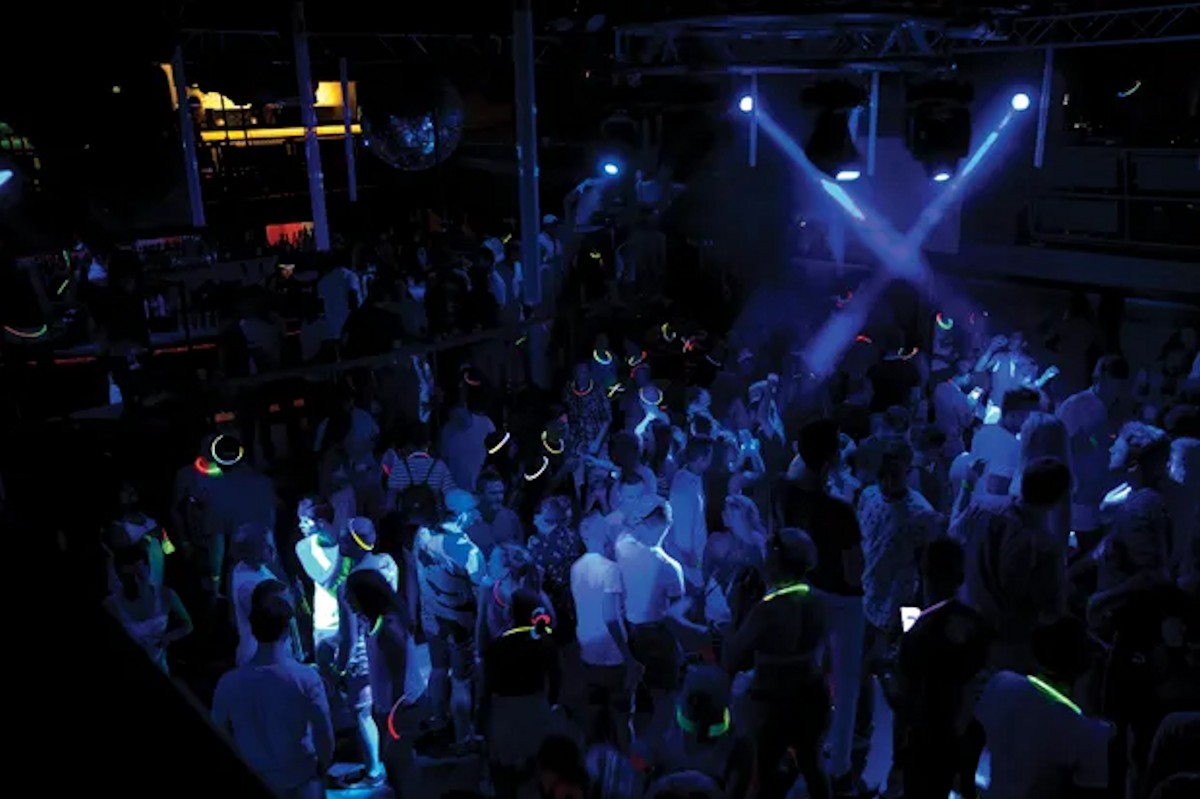
If you spent nights out in Phoenix, Tempe, or Scottsdale between the 1990s and around 2010, you probably remember something that feels almost extinct today: true nightclubs. Big rooms. Sweaty dance floors. DJs playing to a crowd that came specifically to dance—not just to be seen.
Fast forward to today, and while nightlife certainly still exists, it feels different—more curated, more commercial, and in many ways, less rooted in music culture. The shift wasn’t caused by a single event. It was the result of economic changes, urban development, and a major transformation in musical taste and nightlife identity.
The Golden Era: When Music Drove the Night
In the late 90s and early 2000s, Phoenix-area nightlife was decentralized and diverse. You had:
Mill Avenue in Tempe
Downtown Phoenix warehouse and club spaces
Old Town Scottsdale (already strong, but not dominant)
And most importantly, you had distinct musical identities tied to venues.
Hip Hop’s Club Dominance
Hip hop during that era was deeply club-oriented, especially influenced by East Coast sounds and artists like Sean “Diddy” Combs (then Puff Daddy / P. Diddy). His Bad Boy era helped define a luxury, nightlife-driven hip hop sound—music designed for:
dancing
bottle service culture
call-and-response crowd energy
Tracks from artists like:
The Notorious B.I.G.
DMX
50 Cent
…were staples because they had clear rhythm, heavy basslines, and space for DJs to mix.
Even West Coast and Southern hip hop—like Dr. Dre or Lil Jon—fit into this ecosystem because the music was still dance-floor first.
👉 The key point:
The club existed for the music, and the music was made for the club.
The Shift: When the Business Model Changed
Around 2010, the economics of nightlife began to reshape everything:
Rising rents and insurance costs
Competition from Las Vegas mega-clubs
The need for venues to generate revenue beyond 4-hour windows
Clubs started transforming into multi-purpose venues:
restaurant by day
lounge at night
DJ space on weekends
This changed incentives. Music became background to the experience, not the main event.
The Musical Evolution: From Dancefloor to Vibe
At the same time, hip hop itself changed—and that had a direct impact on nightlife.
1) Hip Hop Became Less Dance-Oriented
By the 2010s and into the streaming era, hip hop shifted toward:
mood-driven production
slower tempos
introspective or melodic styles
Artists like:
Drake
Future
Travis Scott
…make hugely popular music—but much of it is not designed for packed dance floors in the same way early 2000s club records were.
Instead of high-energy, beat-driven tracks, you get:
atmospheric soundscapes
half-tempo rhythms
songs built for streaming, not mixing
👉 Result:
DJs rely more on short bursts of older hits or mashups rather than sustained dance momentum.
2) EDM Took Over the “Dance” Role
As hip hop moved away from dance-centric structure, electronic dance music (EDM) filled the gap.
Festivals and big-room DJs became the new dance culture
Clubs shifted toward booking EDM acts or playing hybrid sets
But EDM came with a different model:
higher booking costs
event-based attendance (big nights vs weekly regulars)
This made it harder for traditional clubs to operate consistently.
3) Bottle Service Changed the Crowd Dynamic
Earlier club culture was:
dance-focused
crowd-interactive
DJ-driven
Modern nightlife leans heavily on:
VIP tables
bottle service
social status visibility
That changes behavior:
people stay at tables instead of dancing
music becomes secondary to conversation and presentation
👉 The dance floor literally shrank—physically and culturally.
Geography: The Great Consolidation
Another major shift was where nightlife happens.
Tempe (Mill Ave) → more casual, college-focused
Downtown Phoenix → arts, bars, niche scenes
Scottsdale → dominant nightlife hub
Old Town Scottsdale became the center because it could support:
higher-end clientele
large hospitality groups
consistent revenue streams
With ride-sharing (Uber/Lyft), people no longer needed to stay local.
Everyone could just go to the “main” area—accelerating consolidation.
The Pandemic Acceleration
COVID didn’t start the transformation, but it sped it up dramatically:
Marginal clubs closed permanently
Larger operators absorbed market share
Riskier, music-first venues disappeared faster
What survived were businesses that could:
adapt
diversify
operate beyond just late-night crowds
What We Lost—and What Replaced It
Lost:
Dedicated dance clubs
Music-driven nightlife identity
Regional diversity (Tempe vs Phoenix vs Scottsdale scenes)
DJs as cultural tastemakers
Gained:
Polished, high-end nightlife experiences
Safer, more regulated environments
Multi-purpose entertainment venues
Larger-scale events and festivals
The Big Clubs of the Era — and Where They Went
🌆 Downtown Phoenix – Arizona Center & Warehouse Era
🏙️ Arizona Center Nightlife (late 90s–early 2000s)
At one point, Arizona Center was supposed to be Phoenix’s answer to a nightlife district.
Clubs inside / around Arizona Center:
📍 CBNC (Club Boston / Club NYC)
- One of the largest dance clubs in Phoenix at the time
- Multi-room format: hip hop, house, and top 40
- Drew a mixed crowd—downtown workers, ASU students, and nightlife regulars
👉 What happened:
- Struggled with inconsistent foot traffic downtown
- Closed in the early 2000s as nightlife failed to fully anchor in that area
📍 Sanctuary / Amsterdam (various rebrands)
- Rotated concepts trying to capture EDM and international club vibes
- Popular for themed nights and DJs
👉 What happened:
- Constant rebranding = sign of instability
- Downtown Phoenix didn’t yet have enough residential density to sustain it
🏭 Warehouse District (early 2000s peak)
Before downtown revitalization, Phoenix had a semi-underground scene:
📍 The Bash on Ash (Tempe spillover but culturally tied)
- Industrial rave/EDM venue
- Hosted touring DJs and local electronic acts
👉 What happened:
- Closed in 2009
- Rising regulations + redevelopment pressure
📍 Various pop-up warehouse parties
- Not always formal clubs, but hugely influential
- Focused on house, techno, drum & bass
👉 What happened:
- Cracked down by city enforcement
- Replaced by formal venues or disappeared entirely
🎓 Tempe – Mill Avenue Golden Era
Tempe was arguably the heart of nightlife in the early 2000s.
📍 Mill Avenue District
📍 Axis/Radius (Tempe version existed before Scottsdale dominance)
- Early version of what became a Scottsdale powerhouse
- Mixed-format dance club
👉 What happened:
- Concept migrated and evolved into the Scottsdale flagship
📍 Graham Central Station
- Massive, multi-room venue:
- country bar
- hip hop room
- dance/EDM floor
- One of the most diverse nightlife spots in Arizona
👉 What happened:
- Closed around 2012
- Declining attendance + aging concept
📍 Margarita Rocks / Wetbar / Myst (various Mill Ave clubs)
- High-energy college clubs
- Cheap drinks, packed dance floors
👉 What happened:
- Many replaced by:
- restaurants
- retail
- more casual bars
👉 Mill Ave shifted from club district → bar/restaurant strip
🌵 Scottsdale – The Takeover Era
By the mid-to-late 2000s, Scottsdale—especially Old Town—became dominant.
📍 Old Town Scottsdale
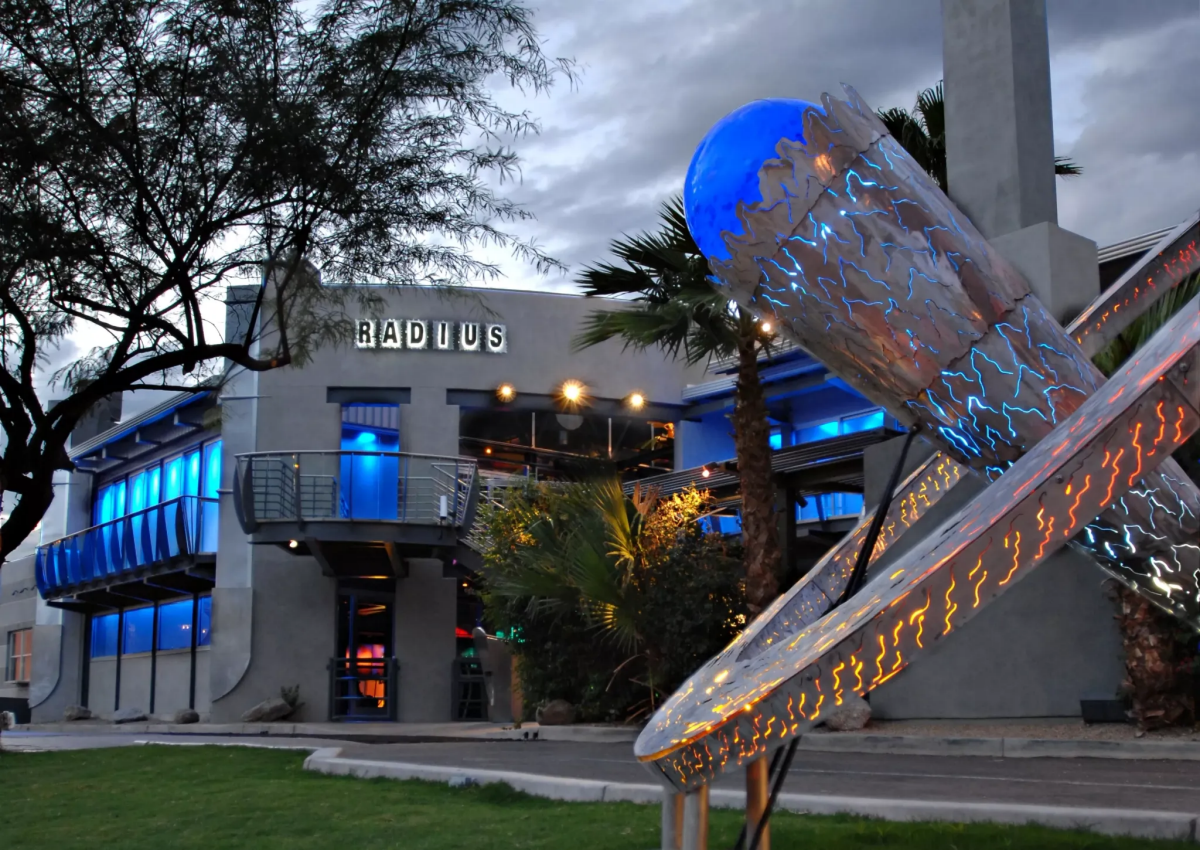
📍 Axis-Radius
- Arguably the defining club of the era
- Two connected rooms:
- hip hop/top 40
- house/EDM
- Hosted major DJs and celebrities
👉 What happened:
- Closed in 2013
- Replaced by newer, more flexible nightlife concepts
👉 Symbolizes the end of the classic mega-club era
📍 Myst
- High-end, fashion-forward nightclub
- Known for strict door policies and upscale crowd
👉 What happened:
- Closed mid-2010s
- Replaced by newer lounge-style venues
📍 Suede
- Smaller but influential
- Strong hip hop identity
👉 What happened:
- Closed as competition intensified
- Space reused/rebranded multiple times
📍 Afterlife
- Late-era attempt to keep traditional club format alive
- Big dance floor, DJ-driven
👉 What happened:
- Closed in 2013
- Economic pressures + changing trends
📍 Smashboxx
- EDM-heavy venue during the rise of electronic music
- Tried to capitalize on festival culture
👉 What happened:
- Closed in 2014
- Couldn’t sustain consistent crowds
🔊 What Ties All These Closures Together?
Looking across all these venues, a pattern emerges:
1) They were built around dancing
- Large open floors
- DJ as the main attraction
- Music-first experience
👉 That model became less profitable.
2) They relied on peak-hour revenue
- 10pm–2am business window
- Limited daytime income
👉 Modern venues make money all day.
3) They depended on specific music eras
- East Coast hip hop club dominance (Bad Boy era)
- Crunk and early 2000s high-energy rap
- Early EDM/rave crossover
👉 As music shifted, their identity weakened.
4) They couldn’t adapt to the “table economy”
- Bottle service changed layouts
- Less dancing, more seating
👉 Big dance floors became wasted space financially.
🧭 Arizona Center: The “What Could Have Been”
Arizona Center is especially important historically.
It tried to be:
- a walkable nightlife hub
- in downtown Phoenix
- before downtown had residents
👉 It failed because:
- no critical mass of people living nearby
- safety and perception issues at night (at the time)
- competition from Tempe and later Scottsdale
Ironically, today’s downtown Phoenix (Roosevelt Row, Footprint Center area) is closer to what Arizona Center was trying to be 25 years ago—but by now, the nightlife model itself has changed.
Those clubs weren’t just businesses—they were tied to a specific cultural moment:
- Music that demanded dancing
- Cities that hadn’t yet consolidated nightlife
- Lower costs and fewer regulations
- A pre-social-media nightlife mindset
When those conditions changed, the clubs didn’t just close…
The entire ecosystem they depended on disappeared.
The Bottom Line
Phoenix nightlife didn’t collapse—it professionalized and consolidated.
But in doing so, it moved away from a time when:
hip hop tracks were built to move crowds
DJs controlled the energy of a room
and clubs existed primarily for dancing
Today, the experience is more about presentation, atmosphere, and flexibility than pure musical immersion.
And that’s why, for people who lived through that earlier era, something feels missing—even if the city is technically busier than ever at night.